
 Business License

Gold CIL Plants in Tanzania: Design Considerations
A gold CIL plant in Tanzania operates under constraints that rarely appear in a standard flowsheet. Power arrives from a weak grid that fails most days, water has to be found and treated on site, and every kilogram of cyanide travels hundreds of kilometres by road from a port. This article sets out the design choices that matter most for east africa gold processing, and it explains why a remote site gold plant is planned differently from one built near a national highway.
The discussion is written for mine owners, metallurgists and project engineers who are scoping a new leach circuit in the region. It focuses on practical trade-offs rather than general theory, and the figures quoted are typical planning ranges drawn from operating experience. Every gold CIL plant in Tanzania faces the same central question, which is how to hold recovery when the infrastructure around the plant is thin.
1. What Makes a Gold CIL Plant in Tanzania Different
A gold CIL plant in Tanzania is shaped by distance as much as by geology. The richest gold belts in the country sit far inland, and the haul from the nearest port runs along roads that are partly paved and partly seasonal gravel. Power reliability, water sourcing, reagent logistics and skilled labour all push back on the same design at once, so the plant has to be planned as a self-contained system rather than a set of machines dropped onto a pad.
Metallurgically, the process itself is familiar. Ore is ground fine, slurried with cyanide and lime, and contacted with activated carbon in a series of agitated tanks. What changes in east africa gold processing is the envelope around that process, because weak power, scarce water and long supply lines each add capital and complexity. In east africa gold processing, designers who copy a temperate-climate flowsheet usually pay for it during commissioning.
The table below compares a conventional inland plant with a remote site gold plant of similar throughput. These are planning figures, and actual values shift with road distance and ore type.
| Design factor | Plant near a national grid | Remote site gold plant |
|---|---|---|
| Power supply | Grid with backup diesel | Diesel or hybrid, grid treated as backup |
| Process water | Borefield with pipeline | Borefield plus lined storage pond |
| Cyanide delivery | Less than 100 km by road | roughly 700 to 1,200 km by road |
| Lime supply | Regional quarry | Bagged or bulk lime from a distant source |
| Module sizing | Standard truck loads | Sized for port and bridge limits |
| Spare parts | Days away | Weeks away, so stock is deeper |
The pattern in that table points to one conclusion. In a remote site gold plant, the connection between equipment choice and site conditions is much tighter, and the cost of getting it wrong is measured in lost production weeks.
2. Power Strategy and Soft Starting for an Unstable Grid
Electricity is the first design problem on most Tanzanian mine sites. National supply can dip or disappear without warning, and a leach circuit that stops suddenly creates its own hazards, because loaded carbon, hot pulp and reagent dosing all need orderly shutdown. The usual answer is a hybrid arrangement in which diesel generators carry the base load and the grid tops up supply when it is available.
Designers often plan for roughly 120 to 130 percent of peak demand, and they keep at least one standby set ready to start automatically. Load shedding is sequenced so that grinding, leach agitation and elution come first.
Soft starting protects the motors that matter most. Large mill drives and the biggest slurry pumps draw several times their running current during a direct start, and that surge can trip a generator or collapse a weak grid. Soft starters, variable frequency drives or fluid couplings are therefore standard on the main drives, and they smooth the restart sequence after an outage.
The table below lists typical drive arrangements on a leach plant of moderate size. Ratings are indicative and depend on the mill selected and the local power quality.
| Equipment | Starting method | Why it is used |
|---|---|---|
| Ball mill drive | Variable frequency drive or soft starter | Limits inrush and allows speed trim |
| Slurry pumps | Soft starter | Reduces voltage dip on the grid |
| Leach agitators | Direct on line | Modest starting torque required |
| Air blowers | Soft starter | Protects the generator during restart |
| Elution heater | Staged contactors | Spreads the load across phases |
A power study should be run before equipment is ordered, because upgrading a generator package after the plant is built costs far more than getting the rating right at design stage.
3. Water Supply and Process Water Quality in East Africa Gold Processing
Water is the second constraint in east africa gold processing, and it is often tighter than power. Many gold belts are semi-arid for part of the year, so a plant cannot assume a steady river supply. Boreholes, lined storage ponds and a return line from the tailings facility are normally combined, and the storage is sized to cover the dry months rather than a single shift.
Quality matters as much as quantity. Dissolved salts, sulphate and suspended solids all interfere with leaching, because cyanide consumption rises when the pulp carries reactive minerals and the carbon can be blinded by fine slimes. Chloride in particular drives cyanide demand upward, and a plant running on high-chloride bore water will use noticeably more reagent. A simple water treatment step, such as settling, filtration or partial blending, often pays for itself through reagent savings.
Recycling is standard practice in east africa gold processing. Thickener overflow, elution water and tailings return water are all recovered and put back into the circuit, which reduces both the draw on the borefield and the volume that has to be stored. Makeup water is then limited to what evaporation and moisture in the tailings remove each day.
The table below shows typical quality targets for process water feeding a leach circuit. Values are indicative and should be checked against the local borefield.
| Water parameter | Preferred range | Effect if outside the range |
|---|---|---|
| pH | roughly 7 to 9 | Reagent demand rises or lime usage climbs |
| Chloride | usually below 300 mg/L | Higher cyanide consumption |
| Suspended solids | typically below 50 mg/L | Carbon blinding and slower kinetics |
| Sulphate | moderate, roughly 200 to 500 mg/L | Scaling and gypsum deposits |
| Recovery of process water | usually 70 to 85 percent | Higher makeup and storage demand |
Because water and power interact, plants that store water in ponds also need pumps and controls that run during power outages. Sizing the pond and the pump set together keeps the plant running through the driest weeks of the year.
4. Cyanide and Lime Logistics, Storage and Site Safety
Reagent supply is the third hard constraint on a remotely located project. Cyanide arrives as solid briquette or as a liquid concentrate, and on an inland site it usually travels from the port at Dar es Salaam or Mombasa by road. A haul of roughly 700 to 1,200 kilometres is normal, and each load has to be scheduled against plant consumption so that stock neither runs out nor sits for months.
Storage design follows the reagent form. Solid cyanide is kept in a locked, ventilated, bunded store with controlled access and a documented issue procedure. Liquid sodium cyanide is stored in dedicated tanks inside a bunded compound with level alarms and a dedicated dosing line to the leach circuit. Lime is usually delivered as bagged hydrate or as bulk quicklime, and it is stored under cover so that moisture does not cake the product.
Consumption figures drive the stock policy, since a typical leach circuit uses cyanide at roughly 0.4 to 1.5 kilograms per tonne of ore and lime at around 1 to 5 kilograms per tonne for pH control. A plant treating a few thousand tonnes per day therefore needs a large and predictable supply line, which is why long-distance logistics deserves design attention early.
The table below summarises typical reagent and storage parameters for a mid-sized leach plant. These are planning values that change with ore type.
| Item | Typical figure | Design note |
|---|---|---|
| Cyanide dose | roughly 0.4 to 1.5 kg/t | Dose to a target concentration, not a fixed rate |
| Lime dose | around 1 to 5 kg/t | Controls pH between 10 and 11 |
| Bulk store cover | usually 30 to 45 days of supply | Covers road delays in the wet season |
| Transport distance | typically 700 to 1,200 km | From port to mine gate |
| Site access | locked, bunded, ventilated | Controlled issue and record keeping |
Safety planning is part of the same picture. Cyanide is managed with clear signage, restricted access, gas monitoring in enclosed areas, a stocked antidote kit and trained responders on each shift. These measures are ordinary industrial practice, and they are also what makes a long supply chain workable.
5. Climate, Logistics, Training and Tailings at a Remote Site Gold Plant
Climate shapes layout more than many designers expect. A remote site gold plant in the region has to survive a wet season that can turn gravel roads into mud and a dry season that pushes temperatures into the high thirties Celsius. Buildings are laid out to shed water away from switch rooms, stockpiles are covered where moisture damages the product, and roads on site are designed with drainage and a compacted base.
Heat also affects equipment. Motors, gearboxes and hydraulic systems run hotter, so cooling capacity is chosen with a margin and lubrication schedules are tightened. Densities and flow rates in the leach circuit are monitored more closely in hot weather, because evaporation shifts the pulp balance during the day.
Logistics sets the envelope for every large item. Modules travelling from Qingdao, Shanghai, Tianjin or Lianyungang reach the coast at Dar es Salaam or Mombasa, and from there they are limited by road width, bridge loading and container handling. Tanks, thickener components and mill shells are therefore broken into bolt-together sections sized for the widest legal load and the heaviest bridge on the route.
People and spares complete the picture. A trained operating team and a deep spare-parts stock are cheaper than a stalled plant, so commissioning support, operator training and a critical spares list are treated as deliverables rather than extras. Because a replacement bearing can take weeks to arrive, the stores list centres on the machines that would stop production if they failed.
For owners scoping these decisions, working with a supplier who understands remote conditions reduces risk. Henan Amill Machinery Equipment Co Ltd covers process design, equipment selection, manufacturing, delivery, installation guidance, commissioning and technical support, and our team routinely adapts flowsheets to difficult site conditions. Amill Machinery manufactures crushing, screening, grinding, washing, gravity separation, flotation and magnetic separation equipment as well as complete mineral processing plants, and the company also supplies gold, copper, lead-zinc, iron ore and manganese ore circuits.
A practical example comes from a project not long ago in a remote part of the region. The team was asked to size a CIL circuit for roughly 1,500 tpd of oxide and transitional ore with a head grade near 2.4 grams per tonne. Testwork showed that a grind of about P80 75 microns and a leach time of around 24 hours would be needed, with carbon held at roughly 15 grams per litre across six tanks. Cyanide consumption was projected at about 0.9 kilograms per tonne and lime at roughly 2.5 kilograms per tonne.
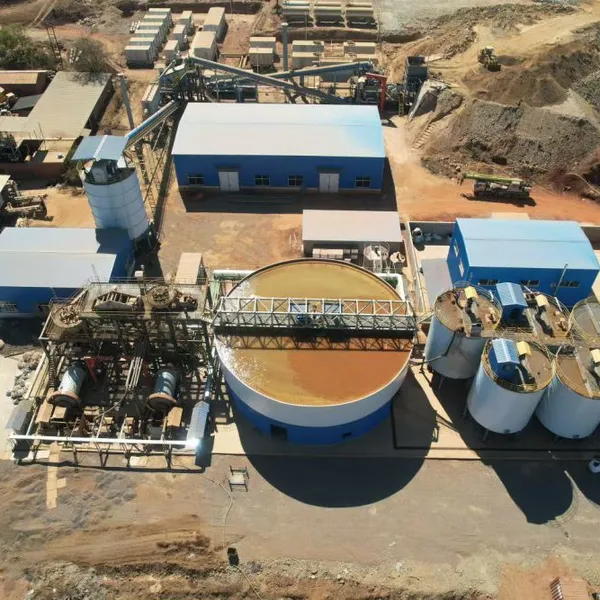
The plant was configured with diesel generation, a lined water pond, and bolt-together tanks sized for the road corridor. Recovery settled at about 91.5 percent after commissioning, close to the predicted figure, and the site held that result through its first wet season.
A second case, some time ago, involved a smaller operation running about 400 tpd that struggled with power interruptions. Adding a soft starter on the mill drive and a sequenced restart routine cut unplanned stops sharply, and throughput stabilised at roughly 420 tpd with recovery near 89 percent.
Designing a gold CIL plant in Tanzania is less about inventing a new process than about matching a known process to a difficult setting. Power, water, reagents, climate, logistics and people all pull on the same flowsheet, and the plants that perform well are the ones whose designers treated those constraints as inputs from the first day of scoping.
6. FAQ
6.1 What feed grade justifies building a gold CIL plant in Tanzania?
Most new circuits in the region are planned around a head grade of roughly 1.5 to 5 grams per tonne, with oxide and transitional ore often grading higher than the deeper sulphide zones. A gold CIL plant in Tanzania becomes attractive when the contained gold is high enough to cover reagent, power and haulage costs, which are all higher at an inland site than near a port. Recoveries of about 88 to 94 percent are common on amenable ore, and the tests that set those expectations should be repeated on a representative sample before equipment is ordered.
6.2 How is power handled when the national grid is unreliable?
Power is normally handled with a hybrid arrangement in which diesel generators carry the base load and the grid is treated as a supplement rather than a guarantee. Generation is usually sized at roughly 120 to 130 percent of peak demand so that one unit can be serviced without stopping the plant. Soft starters and variable frequency drives protect the main drives from inrush current, and load shedding is sequenced so that leach agitation and elution keep running while less critical circuits wait.
6.3 What water quality does the leach circuit need?
The circuit prefers process water with a pH of roughly 7 to 9, chloride below about 300 mg/L and suspended solids under about 50 mg/L. Water outside those ranges raises cyanide consumption and can blind the activated carbon, which slows gold recovery and pushes reagent costs upward. Most sites recover around 70 to 85 percent of their process water from thickener overflow, elution and tailings return. That recovery keeps makeup demand and the storage pond manageable through the dry season, when boreholes yield less and evaporation is high.
6.4 How much cyanide and lime does a remote site gold plant consume?
A remote site gold plant typically uses cyanide at roughly 0.4 to 1.5 kilograms per tonne of ore and lime at around 1 to 5 kilograms per tonne, depending on mineralogy and the target pH. The dose is normally set by the required cyanide concentration in solution rather than by a fixed feed rate, and it is trimmed every shift against the assay. Because reagent travels hundreds of kilometres by road, most sites hold around 30 to 45 days of supply on site to absorb delivery delays during the wet season.
6.5 How are large tanks and mills delivered to an inland mine?
Large items are broken into bolt-together sections so that every module fits within road width limits and bridge loading limits along the inland route. Equipment leaves port at Qingdao, Shanghai, Tianjin or Lianyungang and is reassembled on site with installation guidance from the supplier. Tanks, thickener components and mill shells are the usual items that need this treatment, and each split is checked against the narrowest point of the route before shipping. Henan Amill Machinery Equipment Co Ltd plans the shipping splits during design so that assembly on site stays straightforward.
Recently Posted
-
What Is a Lead Zinc Flotation Plant? A Complete Overview
October 16, 2026A lead zinc flotation plant definition is the starting point of this overview, and the term describes a mineral processing install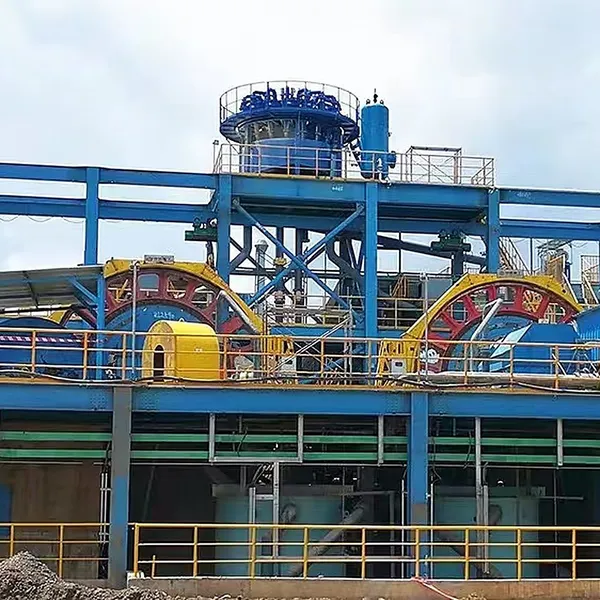 Read More
 -
Screening Plants for Indonesian Nickel Laterite
October 16, 2026Indonesia sits at the center of the global nickel supply chain, and most of that output comes from laterite ore mined in Sulawesi,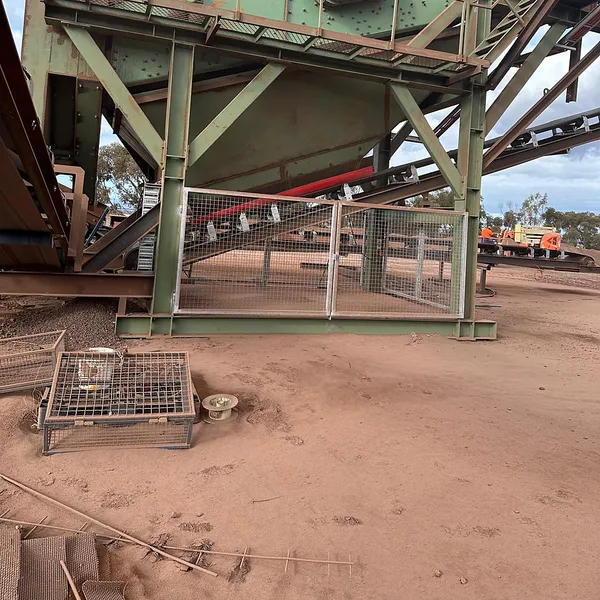 Read More
 -
Quality Control in Flotation Cell Manufacturing
October 16, 2026A flotation cell looks simple from the outside: a tank, a rotor, a drive and an air pipe. Inside, it is a pressure vessel for pulp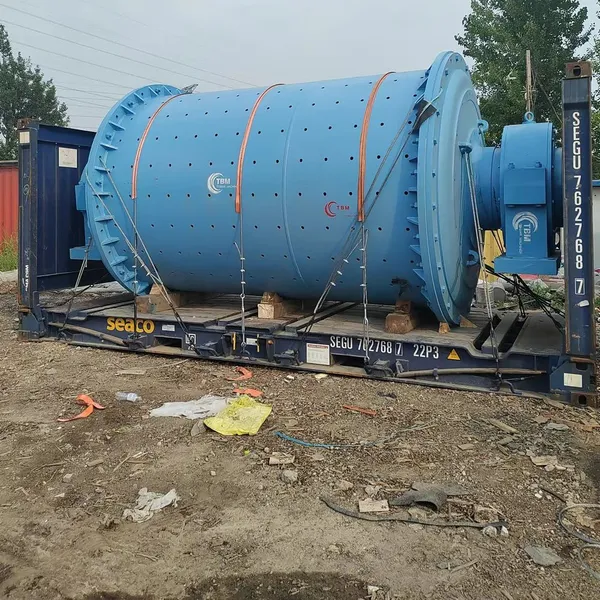 Read More
 -
Grinding Circuit Specifications for Ore Beneficiation
October 15, 2026Grinding circuit specifications are the backbone of every mineral processing flowsheet, because the mill sets the size distributio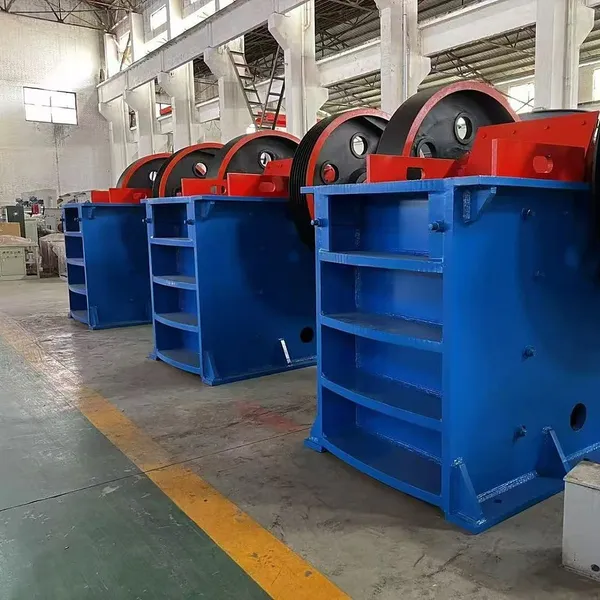 Read More

Contact Us
Recommended Products
-
 200 Tpd High Recovery Lead-zinc Ore Flotation PlantUS$ 15000MOQ: 1 Combo
 -
China Hot Sale 50-600 Tpd Copper Ore Flotation Plant With Rich ExperienceUS$ 20000MOQ: 1 Combo
-
Copper Ore Processing Flotation PlantUS$ 25000MOQ: 1 Combo
-
Hard Rock Gold Processing CIL PlantNegotiableMOQ: 1 Set
-
Gold Ore CIL Processing PlantNegotiableMOQ: 1 Set
-
Gold CIL Plant With One Stop Gold Processing EquipmentNegotiableMOQ: 1 Set
-
Gold CIP Plant for Efficient Carbon-in-Pulp Gold RecoveryNegotiableMOQ: 1 Set
-
Gold CIL Plant Engineering Design Service Metallurgical Process OptimizationNegotiableMOQ: 1 Set
-
Gold Extraction CIL Processing Plant High Efficiency Carbon Leach Gold ProcessUS$ 5000MOQ: 1 Set
-
Copper Ore Flotation Beneficiation ProcessNegotiableMOQ: 1 Set
-
Copper Flotation Plant With Advanced Flotation Machine, Customized Mineral Processing Solution, Stable Copper RecoveryNegotiableMOQ: 1 Set
-
Mobile Crusher | Crawler and Wheeled Crushing PlantNegotiableMOQ: 1 Set
-
Jaw Crusher Price ,big Stone Jaw CrusherUS$ 25000MOQ: 1 Set
-
100- 500 Tpd Gold CIL CIP Processing PlantUS$ 25000MOQ: 1 Set
-
River Stone Granite Stone Crusher PlantUS$ 25000MOQ: 1 Combo
-
500 Tpd Rotary Kiln Gypsum Production Line for Sale in AfricaUS$ 25000MOQ: 1 Combo
-
Gold CIL CIP Extraction Plant 100-300 TPD Activated Carbon Leaching 95% Recovery Rate EPC ProjectNegotiableMOQ: 1 Set
-
Gold CIL CIP Leaching Plant 100-500 TPD Activated Carbon Leaching High Efficiency EPC ProjectNegotiableMOQ: 1 Set
-
High Efficiency Lead Zinc Flotation Plant for Ore RecoveryNegotiableMOQ: 1 Set
-
Lead Zinc Flotation Processing Plant for Polymetallic OreNegotiableMOQ: 1 Set